
Originally published on LinkedIn
This perspective began as part of a public industry conversation on LinkedIn.
______________________________
1️⃣ Time of Existence ⌛
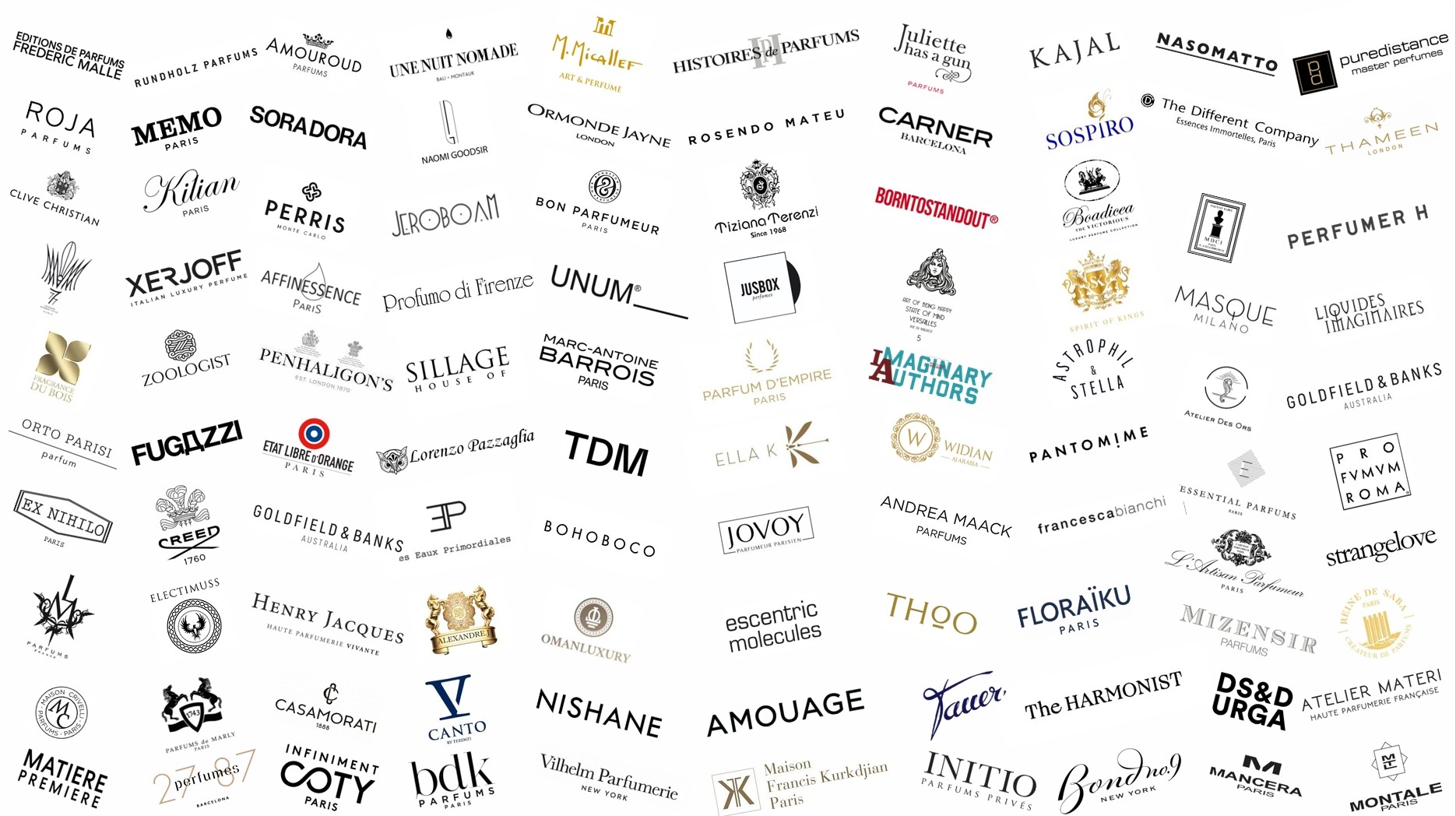
▪ The average age of these brands is 19.3 years.
▪ A substantial 92% of these brands have been established within the last 30 years. Notably, 38% of them emerged in the past decade, reflecting a trend towards specialized products, with favorable social media, E-commerce and economic conditions.
▪ A smaller segment, 7%, entered the market within the last 5 years, while only 3% have a history exceeding a century.
2️⃣ Country of Origin 🌐
▪ 47% of these brands hail from France, predominantly Paris, underlining its historical influence in luxury fragrances.
▪ Italy follows with 18%, while England and the USA each contribute 9%, and the Middle East accounts for 5%.
▪ Emerging countries like Iceland, Poland, and South Korea are diversifying a market traditionally dominated by established fragrance nations.
3️⃣ Brand Type 🏷️
Niche brands often resonate due to their perceived authenticity.
▪ 23% of niche brands are personal brands, fostering intimate connections with consumers and enhancing brand authenticity.
▪ 7% are heritage brands, and one doesn’t need a real heritage to create the experience of one.
▪ The majority of brands (70%) are concept-driven, setting themselves apart through unique concepts and creative approaches.
4️⃣ Creative Structure 🖌
▪ A significant 26% of brands employ in-house perfumers, enhancing perceived authenticity and ensuring continuity. This approach appeals particularly to discerning buyers seeking bespoke experiences.
▪ The remaining brands compete for access to perfumers, who, in becoming brands themselves, must also strive to strike a balance between meeting high demand and preserving their creative integrity.
5️⃣ Diversification and Ownership 🎨🗝
▪ While specialization defines niche brands, there is a growing trend towards eventually diversifying into categories like home and body (54% of brands), often a necessary step for essential growth.
▪ Established brands often expand beyond perfumes as they mature, with some (17%) opting for growth through investment or acquisition, which can help brands fulfill their creative potential but also stifle it.
______________________________
SELECTED RESPONSES
From the LinkedIn discussion
A selection of thoughtful reactions and comments surrounding the original article.
Very insightful ! I like the first sentence the best (average age). Most people think that these brands are overnight successes, however, most of them have been at it for years and years. Great post. !

Vicken Arslanian
Founder of Europerfumes
Previous
1 / 3
Next
Originally published on LinkedIn
This perspective began as part of a public industry conversation on LinkedIn.
______________________________
1️⃣ Time of Existence ⌛
▪ The average age of these brands is 19.3 years.
▪ A substantial 92% of these brands have been established within the last 30 years. Notably, 38% of them emerged in the past decade, reflecting a trend towards specialized products, with favorable social media, E-commerce and economic conditions.
▪ A smaller segment, 7%, entered the market within the last 5 years, while only 3% have a history exceeding a century.
2️⃣ Country of Origin 🌐
▪ 47% of these brands hail from France, predominantly Paris, underlining its historical influence in luxury fragrances.
▪ Italy follows with 18%, while England and the USA each contribute 9%, and the Middle East accounts for 5%.
▪ Emerging countries like Iceland, Poland, and South Korea are diversifying a market traditionally dominated by established fragrance nations.
3️⃣ Brand Type 🏷️
Niche brands often resonate due to their perceived authenticity.
▪ 23% of niche brands are personal brands, fostering intimate connections with consumers and enhancing brand authenticity.
▪ 7% are heritage brands, and one doesn’t need a real heritage to create the experience of one.
▪ The majority of brands (70%) are concept-driven, setting themselves apart through unique concepts and creative approaches.
4️⃣ Creative Structure 🖌
▪ A significant 26% of brands employ in-house perfumers, enhancing perceived authenticity and ensuring continuity. This approach appeals particularly to discerning buyers seeking bespoke experiences.
▪ The remaining brands compete for access to perfumers, who, in becoming brands themselves, must also strive to strike a balance between meeting high demand and preserving their creative integrity.
5️⃣ Diversification and Ownership 🎨🗝
▪ While specialization defines niche brands, there is a growing trend towards eventually diversifying into categories like home and body (54% of brands), often a necessary step for essential growth.
▪ Established brands often expand beyond perfumes as they mature, with some (17%) opting for growth through investment or acquisition, which can help brands fulfill their creative potential but also stifle it.
______________________________
SELECTED RESPONSES
From the LinkedIn discussion
A selection of thoughtful reactions and comments surrounding the original article.
Very insightful ! I like the first sentence the best (average age). Most people think that these brands are overnight successes, however, most of them have been at it for years and years. Great post. !
Vicken Arslanian
Founder of Europerfumes
Previous
1 / 3
Next